Professional Profile
I'm Alberto Aguirre, PMHNP-BC.
This is my professional website: a place to understand my background, care philosophy, patient education mindset, SynapseRx Psych, and the Claridad Integrated Care vision I am building toward.
Background
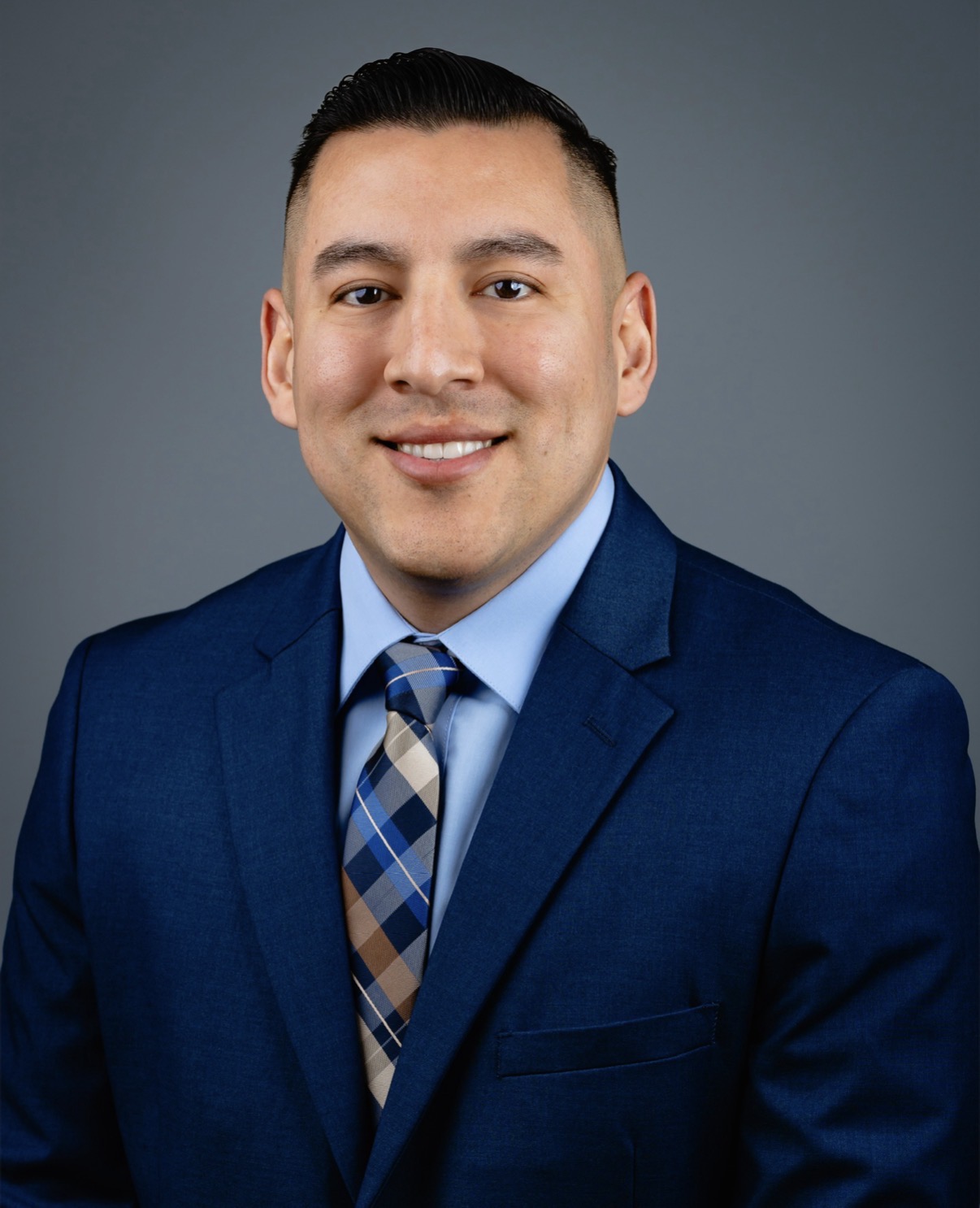
Alberto Aguirre, PMHNP-BC
I am a board-certified Psychiatric-Mental Health Nurse Practitioner with a background in emergency nursing, public health nursing, and U.S. Navy service. I am also a first-generation Hispanic clinician, which shapes my interest in culturally aware care, stigma reduction, and practical patient education.
My professional focus is clear, evidence-based psychiatric care that respects the whole person: symptoms, story, culture, family patterns, medical context, stress physiology, and the everyday realities that affect mental health.
Claridad is built from a simple belief: people deserve care that is clear, respectful, culturally aware, and connected to the realities of their lives.
Qualifications & Perspective
- Board-certified PMHNP-BC
- Registered Nurse with PHN certification
- Emergency nursing and public health perspective
- U.S. Navy veteran
- Builder of SynapseRx Psych
Personal Path
Why this work matters to me.
I was born and raised in Southern California as the son of immigrant parents who came to this country without speaking English. My early life was shaped by instability, limited guidance, and the realities many families carry quietly. My father struggled with depression and substance use, and my mother did her best to raise me while I moved between homes and environments that often felt uncertain.
For a long time, I was surviving more than planning. I did not do well in school, and I did not have a clear picture of what my future could become. Joining the military changed the direction of my life. It gave me structure, discipline, accountability, and a sense of identity. It helped me become someone who could serve, lead, and build a future.
Those experiences still shape the way I see people. I understand how childhood instability, culture, family patterns, poverty, trauma, and lack of guidance can affect how a person thinks, behaves, copes, and sees themselves. I also understand that many people are not “broken.” They are adapting to what they lived through, often with tools they had to create on their own.
Becoming a registered nurse deepened that calling to service. Through emergency nursing, crisis care, public health, trauma, and the COVID era, I saw families affected by many of the same struggles I grew up around: depression, substance use, stigma, fear, limited access, and untreated pain passed from one generation to the next.
That is what led me toward psychiatric mental health. I wanted to do more than respond to emergencies after people were already in crisis. I wanted to help people understand themselves earlier, reduce shame, build healthier patterns, and access care that respects where they come from.
My goal is to bring clarity, education, cultural awareness, and compassion into mental healthcare for people and families who may have spent much of their lives simply trying to survive. I know what it feels like to grow up without a clear map, and I know how powerful it can be when someone finally helps you build one.
How I Practice
Education, clarity, culture, and collaboration.
Claridad means clarity. For me, that word carries the heart of the work: helping people understand what they are experiencing, what options exist, and how mental and physical health connect.
One belief that guides my work is that none of us are born with an instruction manual for how to live. We learn from what we see, what we are taught, what we survive, and sometimes from the structure or support that was missing. Part of healing is learning to recognize those patterns with compassion, understand where they came from, and build healthier ways forward.
Culture can be a source of strength, identity, family connection, and resilience. It can also normalize silence, shame, emotional avoidance, or roles that no longer support a person’s health. Culturally aware care creates room to honor what is meaningful while questioning patterns that may now be causing harm.
Clinical Direction
From crisis care to earlier understanding.
Military service taught me leadership, accountability, and the importance of noticing invisible burdens before they become crises. Emergency nursing strengthened my ability to respond calmly, think critically, and collaborate with care teams during complex psychiatric and medical situations.
Those experiences continue to shape my professional direction: evidence-based psychiatric care, practical patient education, stigma reduction, and a whole-person approach that does not separate mental health from the rest of life.
Substance use and alcohol-related suffering are also part of that mission. They affect many families and communities, often in ways hidden by shame, stigma, or lack of access to care. Over time, I hope this work can help those concerns be addressed with honesty, compassion, and clinical seriousness.
Builder & Educator
What I am building next.
I built SynapseRx Psych as a psychiatry workstation, medication reference, and learning tool. It reflects how I approach professional growth: stay organized, keep learning, use evidence carefully, and make complex information easier to apply.
That same mindset shapes Claridad. This site gives a fuller picture than a resume can show: my clinical background, personal motivation, care philosophy, educational approach, and the systems I am building to support better psychiatric care.
Professional Snapshot
- PMHNP-BC with emergency nursing and public health perspective
- U.S. Navy veteran with a service-oriented mindset
- Strong emphasis on patient education and clear communication
- Culturally aware approach shaped by lived experience and clinical work
- Interest in integrated psychiatry, therapy collaboration, and addiction-related care
- Builder of SynapseRx Psych, a psychiatry workstation and learning tool
Professional contact
Connect with Alberto.
For employment, collaboration, or professional inquiries. Claridad is not scheduling patient care at this time.